Getting a dental crown or bridge is a fantastic step toward restoring your smile’s function and appearance. At El Paso Dentist, we ensure the procedure itself is as comfortable as possible. However, the care you provide at home afterward is just as important for a successful, long-lasting result. Proper aftercare helps protect your investment and ensures your final restoration fits perfectly.
This guide will walk you through everything you need to know, from managing your temporary restoration to caring for your permanent one. We’ll cover what to eat, how to clean the area, and what to expect during the healing process.
The Role of Your Temporary Crown or Bridge
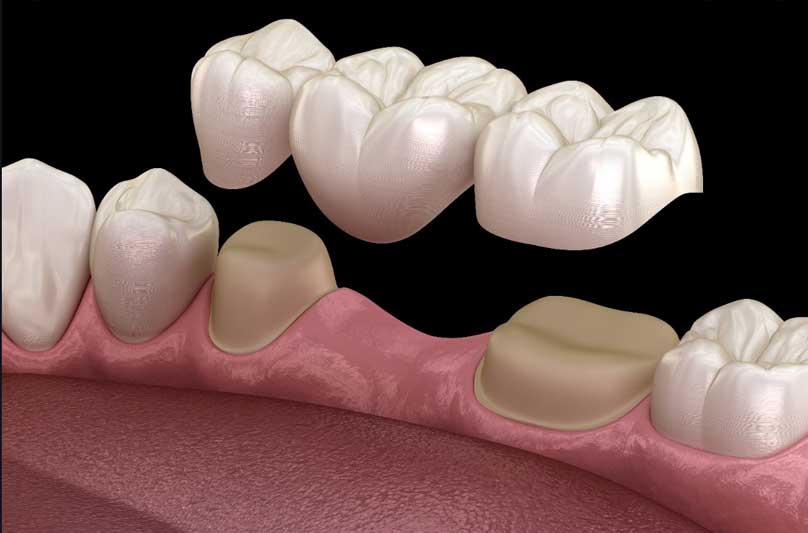
After preparing your tooth for its new crown or bridge, we place a temporary restoration. This isn’t just for looks; it serves several critical functions. Your temporary crown protects the prepared tooth, which can be sensitive, from exposure to food and temperature changes. It also prevents surrounding teeth from shifting into the empty space, which could compromise the fit of your permanent restoration.
While you have this temporary in place, it’s normal for your lips, tongue, and the roof of your mouth to feel numb from the local anesthetic. To avoid accidentally biting your cheek or tongue, or burning your mouth, please wait until the numbness has completely worn off before eating or drinking hot beverages.
What to Eat: A 24-Hour Soft Food Diet
For the first 24 hours after your procedure, it’s best to stick to a soft food diet. This helps protect the temporary restoration, which is held in place with a weaker cement than your permanent one. Chewing hard or crunchy foods can cause it to break or come loose. Sticky foods are also a major risk, as they can pull the temporary right off the tooth.
Here are some safe and easy food choices for the first day:
- Jell-O and pudding
- Applesauce
- Greek yogurt
- Scrambled eggs
- Mashed potatoes
- Oatmeal
- Cooled soups (not hot)
- Macaroni and cheese
- Ice cream
- Finely chopped chicken or ground beef
If your temporary crown is on one of your front teeth, take extra precautions. Avoid biting directly into foods like sandwiches or apples. Instead, cut your food into small, bite-sized pieces and chew with your back teeth. This simple step can prevent unnecessary pressure on the temporary restoration.
Oral Hygiene: Brushing and Flossing with Care
Maintaining your oral hygiene routine is crucial, but you’ll need to make a small adjustment when flossing around your temporary crown or bridge. You should continue to brush your teeth regularly, being gentle around the treated area.
When it comes to flossing, the technique is key. Instead of lifting the floss back up between the teeth, which can catch the edge of the temporary and pop it off, gently slide the floss out to the side. Simply pull it through the space between your teeth. This method effectively cleans the area without risking the displacement of your temporary restoration.
What to Do If Your Temporary Comes Loose
Your temporary crown plays a vital role in the treatment process. It holds the space for your permanent restoration and protects the underlying tooth. Despite your best efforts, temporaries can sometimes become loose, damaged, or fall off completely.
If this happens, don’t panic, but do contact our office right away. Do not attempt to fix it yourself with household adhesives. We will schedule a visit to have it professionally re-cemented or repaired. Leaving the tooth exposed can lead to sensitivity and allow other teeth to shift, which could mean your final custom-made crown or bridge won’t fit correctly.
Managing Sensitivity and Discomfort
It is common to experience some sensitivity to temperature and pressure after receiving a crown or bridge. This happens because the tooth has been prepared and is adjusting to its new covering. This sensitivity is usually mild and should gradually subside within a few weeks after your permanent restoration is placed.
To manage any discomfort, you can take over-the-counter pain medication like ibuprofen, as long as you can safely do so. Rinsing with warm salt water can also help soothe sensitive gums. Just mix half a teaspoon of salt into a half cup of warm water and rinse gently four times a day. This simple home remedy can reduce inflammation and promote healing around the gum line.
When to Call El Paso Dentist
While most of the healing process is straightforward, there are certain signs that warrant a call to our office. Please contact us if you experience any of the following:
- Persistent or Worsening Pain: Mild discomfort is normal, but pain that gets progressively worse or doesn’t improve with medication is not.
- An Uneven Bite: Once the numbness wears off, your bite should feel normal. If it feels high or uneven, we may need to make an adjustment.
- A Loose or Damaged Temporary: As mentioned, call us immediately if your temporary restoration comes off or breaks.
Following these instructions will help ensure your recovery is smooth and your final crown or bridge fits perfectly, giving you a healthy and beautiful smile for years to come. If you have any questions or concerns at any point in your treatment, never hesitate to reach out to our team at El Paso Dentist.
Meta Title: Aftercare for Dental Crowns & Bridges | El Paso Dentist Guide
Meta Description: Get easy-to-follow post-op instructions for dental crowns and bridges. Learn about diet, oral care, and managing sensitivity from El Paso Dentist.